What a shop usually needs
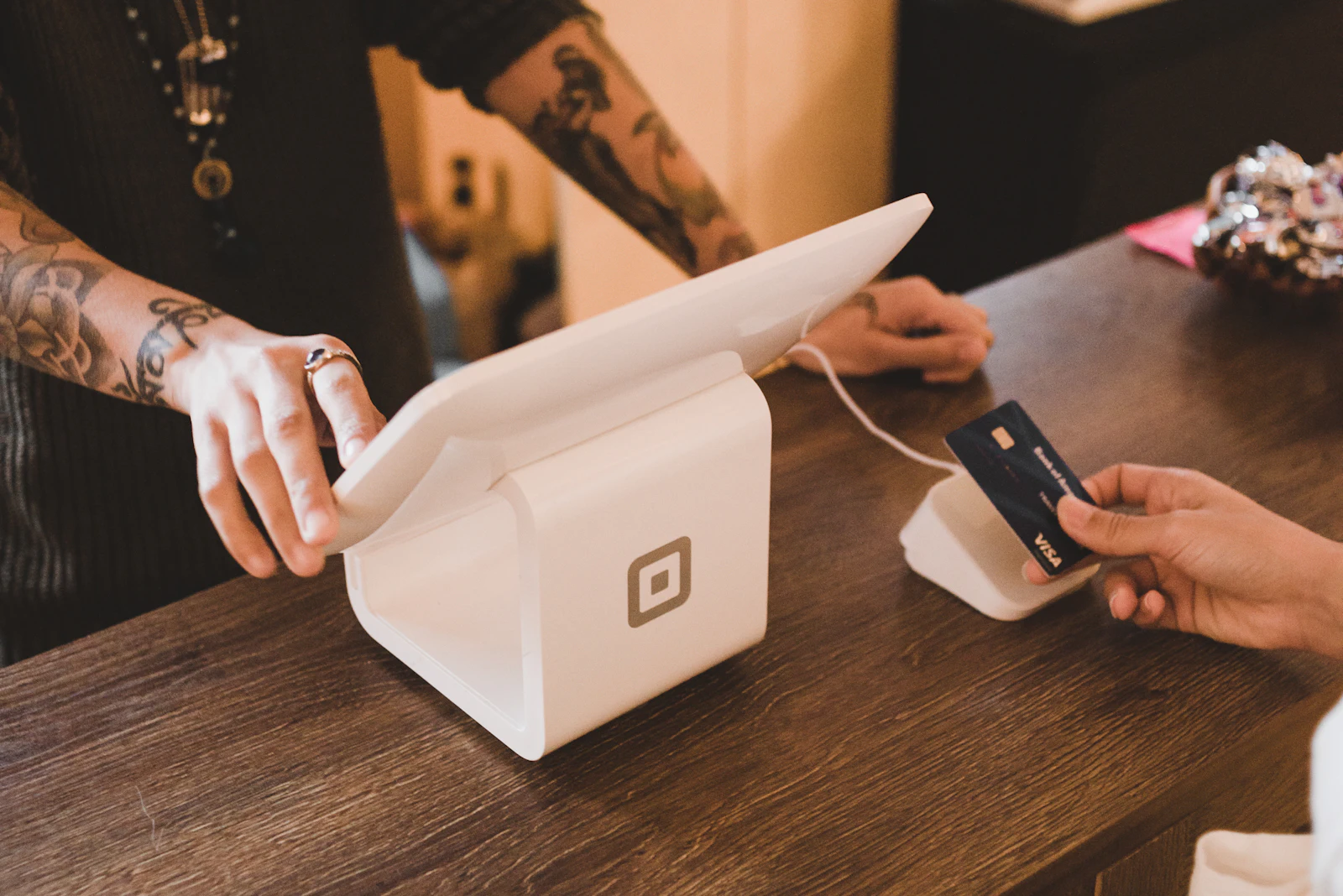
- A countertop or portable terminal beside the till, ideally integrated so the amount appears automatically.
- EPOS with barcode scanning and stock control if you sell more than a handful of lines. See EPOS systems.
- Fast contactless for queues. Since March 2026 card issuers can set their own contactless limits: see what changed.
- Cash handling too: a cash drawer that opens from the till and end-of-day cash-up reports.
- Age-restricted sales prompts for alcohol, tobacco and knives, if you sell them. Many EPOS systems can prompt staff to check ID.
Convenience stores and newsagents
Convenience retail has high transaction counts and small average sales, so per-transaction fees matter more than usual. When you compare quotes, multiply any authorisation fee by your monthly number of transactions. Ask whether the EPOS supports wholesaler price files, promotions, PayPoint-style services you already use, and integrated scales if you sell loose goods.
Boutiques and independent retailers
If you also sell online, an omnichannel POS that shares stock with your website (for example Shopify POS, Square or Lightspeed) prevents selling the same item twice. Look for size and colour variants, customer profiles, gift cards and easy returns.
When to move from a reader to a contract
Many shops start with a pay-as-you-go reader. As card takings grow, get quotes: a contract with a lower rate and a monthly terminal fee can work out cheaper. Use our fees guide to compare, and check the minimum term before signing. If you’re already on a contract, see switching provider.
Last updated: 16 October 2026


